Ask the average Nigerian music fan under 25 to name more than three rappers and watch them stall. Afrobeats ate the conversation so badly that rap now gets talked about like a phase the industry grew out of, or worse, like it just started. But somebody was rapping before Wizkid could walk into a studio, and somebody kept rapping through every stretch.
I highlighted 15 of the rappers who built Nigerian Hip-Hop, created and experimented with what it should sound like, and refused to let it disappear even when the culture stopped paying attention.
1. Modenine
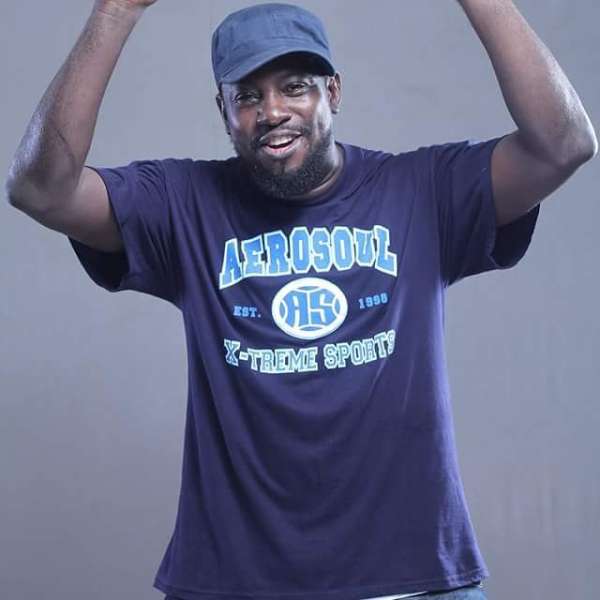
Modenine built a reputation as one of the most technically gifted rappers Nigeria has ever produced, stacking rhyme schemes that still make newer rappers sound lazy by comparison. Over two decades into the game, he remains the rapper other rappers name-drop when they want to prove they take the craft seriously.
2. Olamide
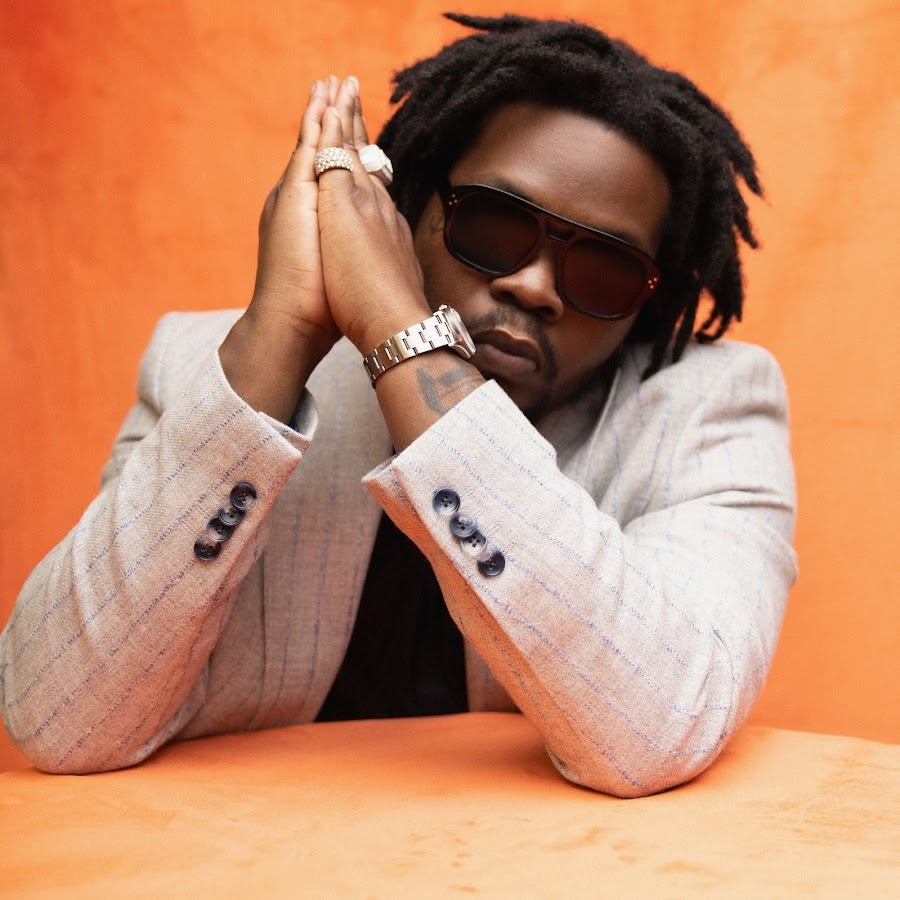
In Nigerian Hip-Hop, Olamide built a wing and put his name on the door. Baddo, as he鈥檚 fondly called, made street-hop the dominant dialect of Nigerian rap by rapping mostly in Yor霉b谩, folding in Fuji rhythms and street slang until 鈥渃onscious rap鈥� stopped being the industry鈥檚 default measure of skill. His discography is solid and he has hit songs for days. But his biggest flex here is the YBNL factory he runs: Lil Kesh, Adekunle Gold, Fireboy DML, Asake, all came up through the label. Olamide鈥檚 real genius might be spotting talent as sharply as he raps.
3. M.I Abaga
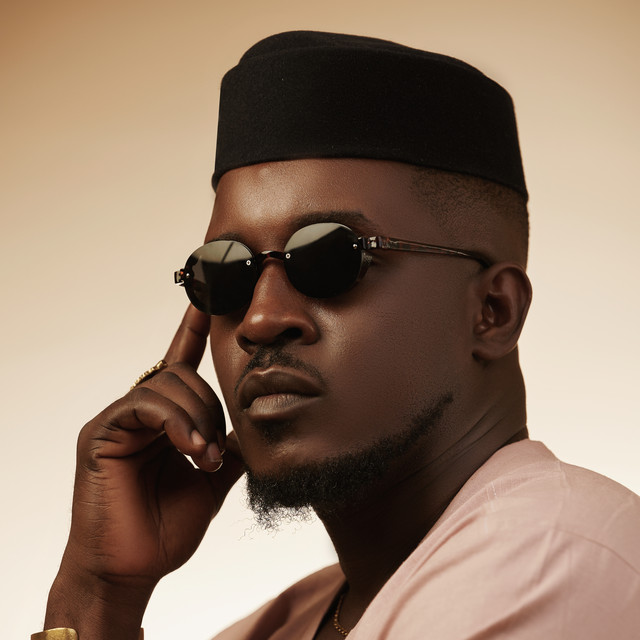
M.I Abaga鈥檚 Talk About It launched his career and reset the coordinates for what a Nigerian rap album could sound like. He brought a more personal, punchline-driven rap style into the mainstream. He was Chocolate City鈥檚 flagship act and spent years functioning as the genre鈥檚 de facto gatekeeper. His 鈥淵ou rappers should fix up your lives鈥� comments in 2013 blew up into one of the most cited controversies in Nigerian hip-hop. A generation of rappers made arguments around agreeing or disagreeing with him. M.I has since gone through reinventions, but the influence of that first run is baked into how Nigerian rap thinks about itself.
4. eLDee the Don
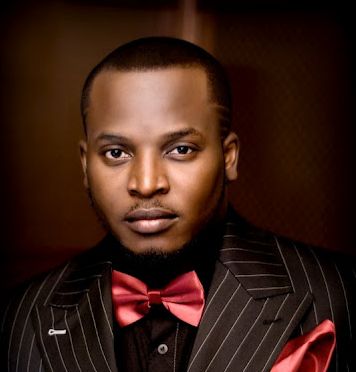
Long before 鈥楢frobeats鈥� was a marketing term, eLDee the Don was already fusing Hip-Hop with Pop, Highlife and Reggae as one-third of Trybesmen, the group that gave Nigeria its first real taste of homegrown rap in 1999. eLDee didn鈥檛 stop at performing, he built Trybe Records and used it to develop artists like Dr Sid and Sasha P, shaping the business side of an industry that barely had one at the time. He stepped back from music for over a decade, and news of a possible comeback in 2026 has old heads paying attention again. Whatever comes next, the foundation he laid is one every Nigerian rapper is still standing on.
5. Vector Tha Viper
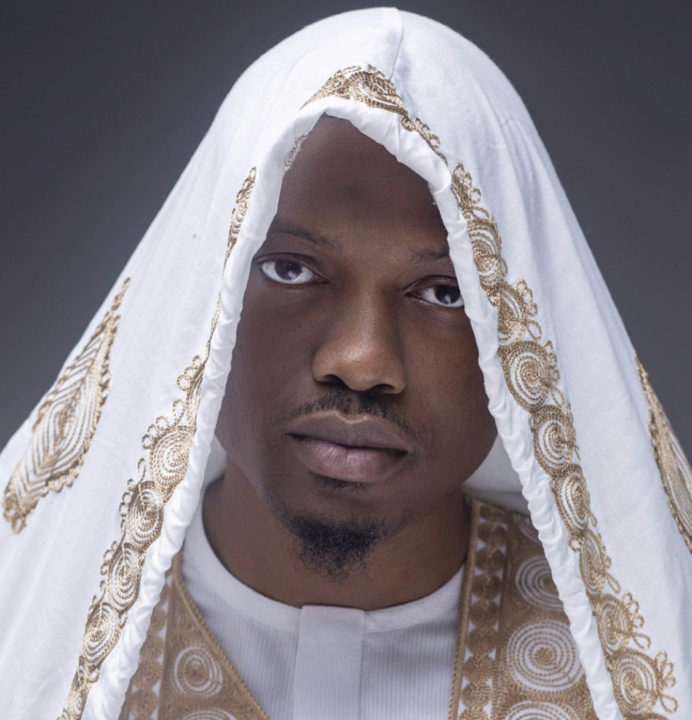
Vector treats a verse like a crossword puzzle he鈥檚 daring you to solve. Alliteration, layered wordplay, and a habit of turning simple lines into riddles have made him one of the sharpest emcees in Nigerian rap. He鈥檚 also a versatile artist who sings as great as he raps. Underneath the punchlines, Vector鈥檚 catalogue carries a philosophical streak too, songs that sit with faith, purpose and self-examination just as easily as they flex skill.
6. iLLbLiss
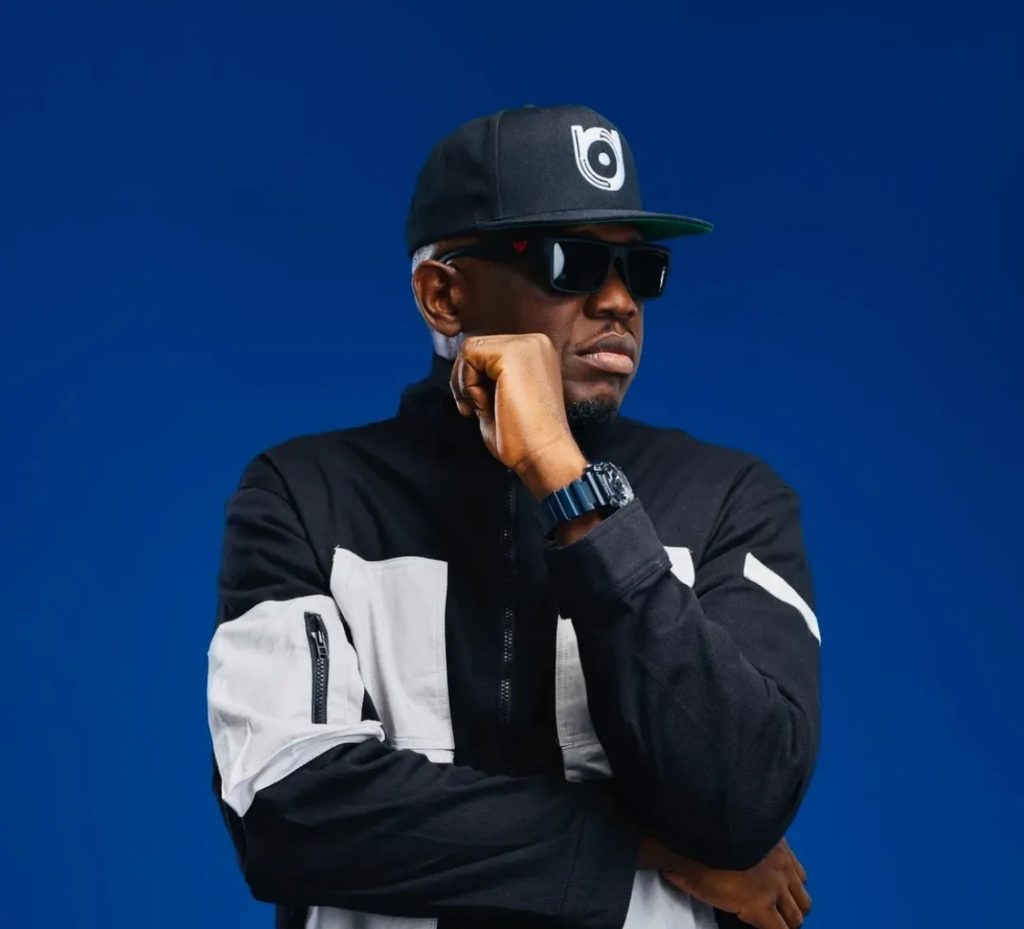
iLLbLiss didn鈥檛 invent Igbo rap, but he鈥檚 one of the MCs who dragged it into the mainstream. 鈥淒at Ibo Boy鈥� in 2009 made rapping in Igbo feel less like a regional experiment and more like a viable national sound. It opened a lane that Southeast rap still runs through today. iLLbLiss, or Oga Boss as most people call him, has stayed relevant as a rapper, actor and businessman running The Goretti Company, the outfit responsible for launching Phyno and Chidinma. His discography is deep and his ears for great production and talent are as valuable as his braggadocious bars.
READ NEXT: Why Is P-Square Fighting Again? A Breakdown Of Their Recent Saga (Updating)
7. Naeto C
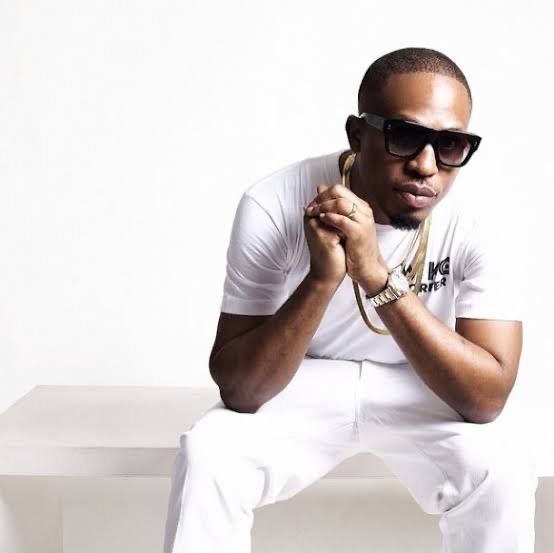
Not many rappers make rap sounds effortless, sliding between English and pidgin with the kind of smoothness Naeto C has. He makes complicated wordplay feel like casual conversation. He was one of the faces of Nigerian Hip-Hop鈥檚 golden commercial run between 2008 and 2012, alongside M.I and Ice Prince 鈥� that was a period when rap briefly felt like it could rule the charts the way it does the culture. His hits carried radio hits with lyrical credibility, a balance a lot of rappers who came after him still struggle to find.
8. Erigga
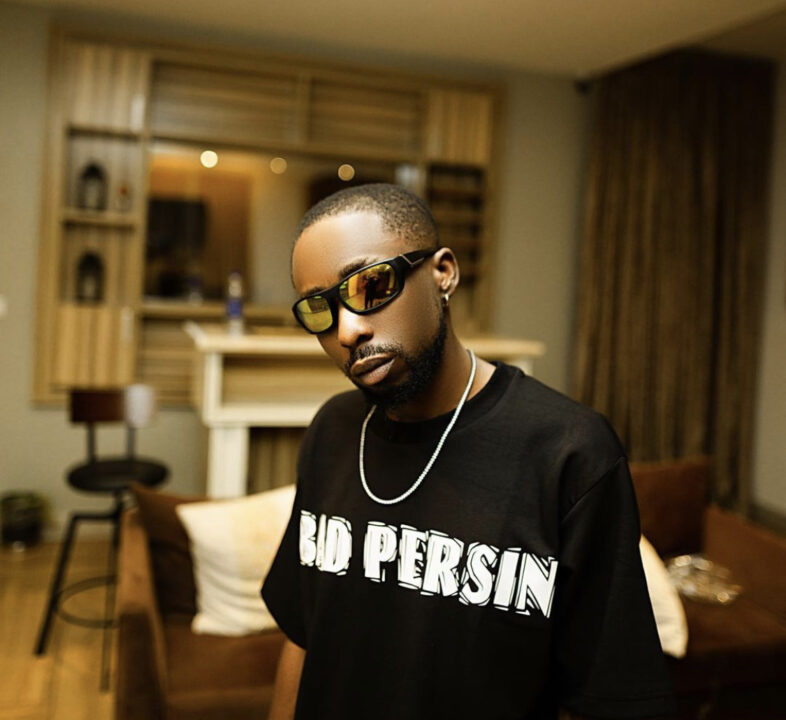
There鈥檚 no cap in Erigga鈥檚 raps. He tells stories of the hustle that claimed him early and shares experiences of being a Warri born-and-bred. True to his origin, his choice of language is Pidgin. He built his name on gritty, street narratives that favour honest lyricism. He鈥檚 stayed something of an outsider by choice, more cult hero than chart-topper, but that distance is part of the appeal. Erigga represents the wing of Nigerian rap that never needed Lagos鈥� approval to matter.
9. Eva Alordiah
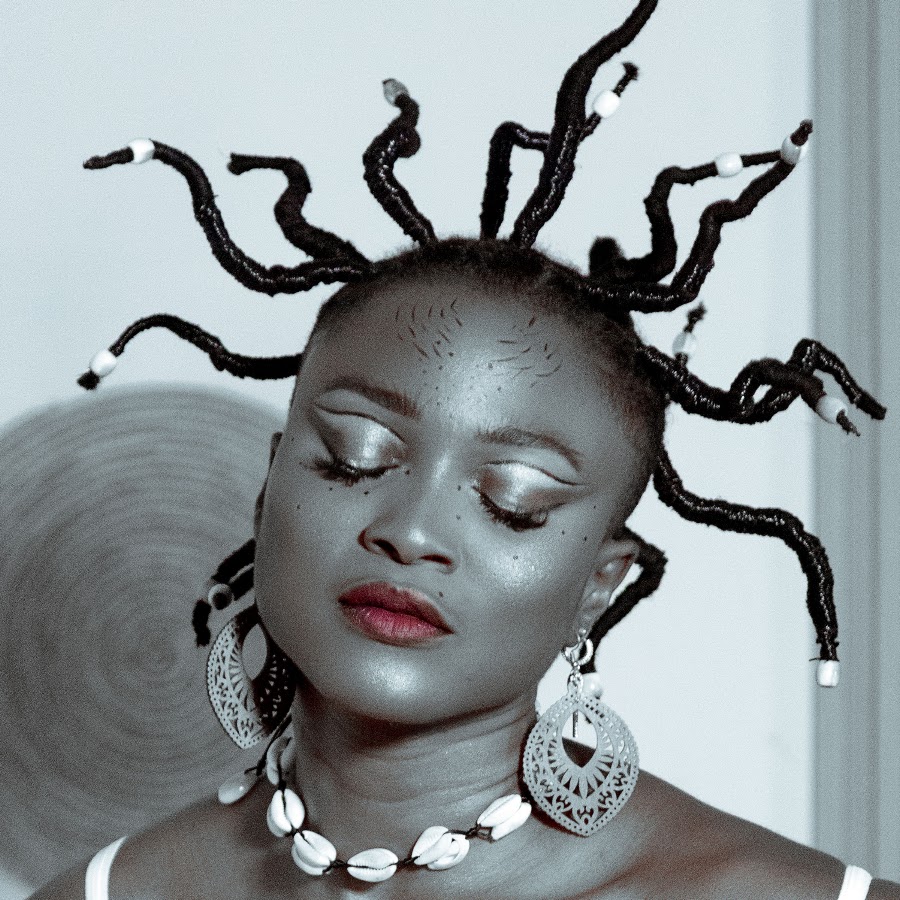
Nigerian Hip-Hop has never had a lot of women. Eva Alordiah walked into it and forced people to take her bars seriously. At her peak, she spazzed with razor punchlines and an ability to hold her own in the mainstream conversation during the early 2010s. She eventually stepped back from music to build outside the industry, but the space she created for women in Nigerian Hip-Hop didn鈥檛 close behind her. Every female rapper working today owes Eva a shout-out.
10. Reminisce
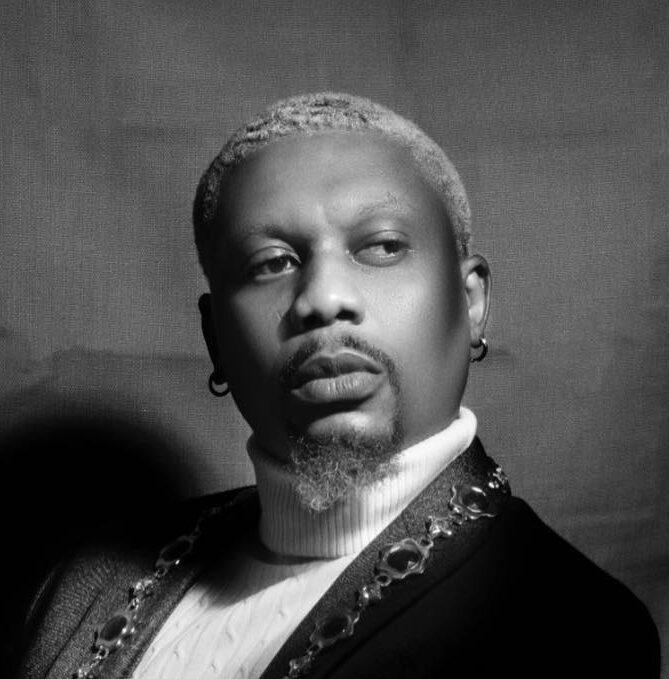
Reminisce turned street rap into something closer to cinema. His Yoruba-heavy flows on songs like 鈥淜ako Bii Chicken鈥� and 鈥淟ocal Rapper鈥� dramatises the street life, full of characters, scenes and bars that rewarded close listening. That instinct for narrative pulled him toward film, where he acted 鈥� a visual extension of telling stories in raps. With Reminisce, 鈥渓ocal鈥� is never a limitation, it鈥檚 a different lens.
11. Show Dem Camp
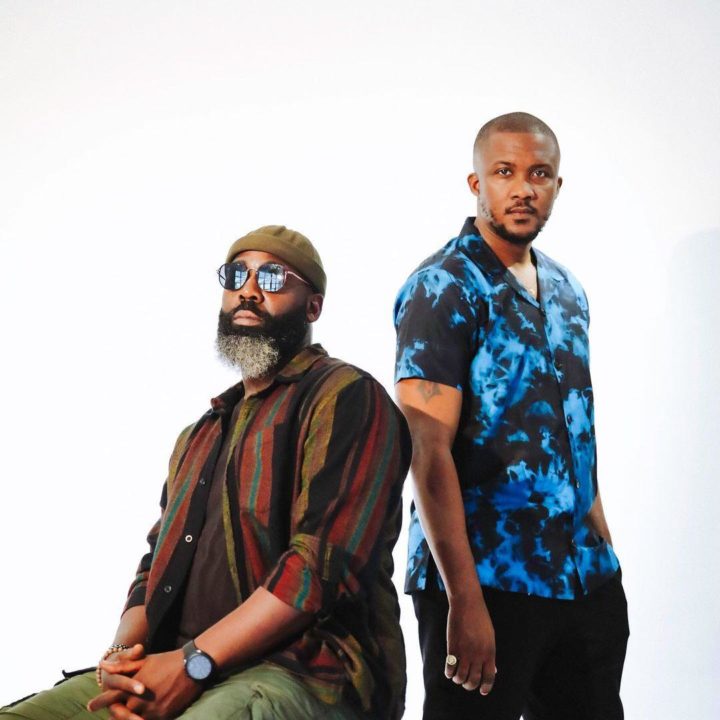
Tec and Ghost make up Show Dem Camp. They鈥檙e proof that consistency and reinvention pay off. Show Dem Camp first built their name on the Clone Wars series, battle-ready lyricism with a conscious edge. Then they pivoted into the Palmwine Music trilogy, which mixes rap with highlife and easy-going grooves. Few Nigerian rap acts have moved between sounds this deliberately while staying this respected on both sides. SDC also built the Palmwine Festival into a solid platform for new talent, extending their influence well past their own catalogue.
12. Ice Prince
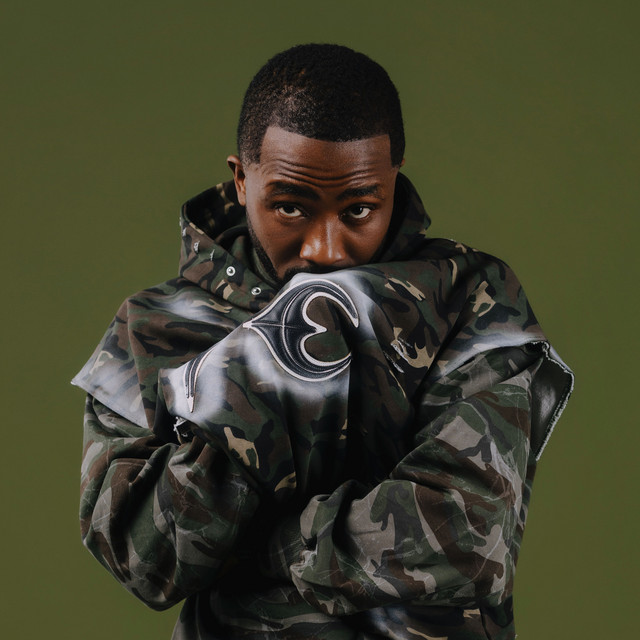
鈥淥leku,鈥� Ice Prince鈥檚 biggest hit, is one of those songs that defined a whole era of Nigerian pop-rap fusion. Ice Prince was a Chocolate City major crossover star alongside M.I. His charming charisma helped plant rap as mainstream entertainment and cool culture. He never had the technical reputation of a Modenine or a Vector, but his commercial viability opened doors that more 鈥渟erious鈥� rappers couldn鈥檛.
13. Phyno
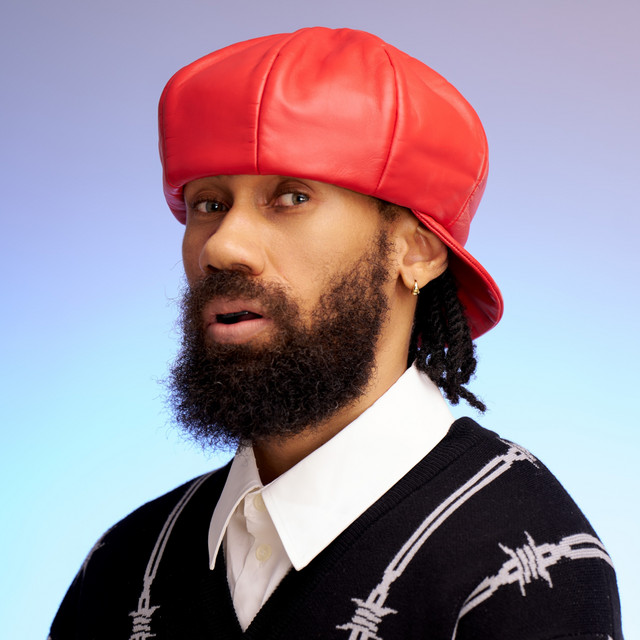
Phyno figured out early that you don鈥檛 have to choose between street credibility and radio success, you can just build around both. Mixing Igbo rap with traditional genres, he turned tracks like, 鈥滿an of the Year鈥� and 鈥淔ada Fada鈥� into hits. Discovered and developed through iLLbLiss鈥� Goretti Company, Phyno went on to become one of the most successful indigenous rappers in the country. His run of collaborations with Olamide alone reshaped what a Southeast-Southwest rap crossover could sound like.
14. Blaqbonez
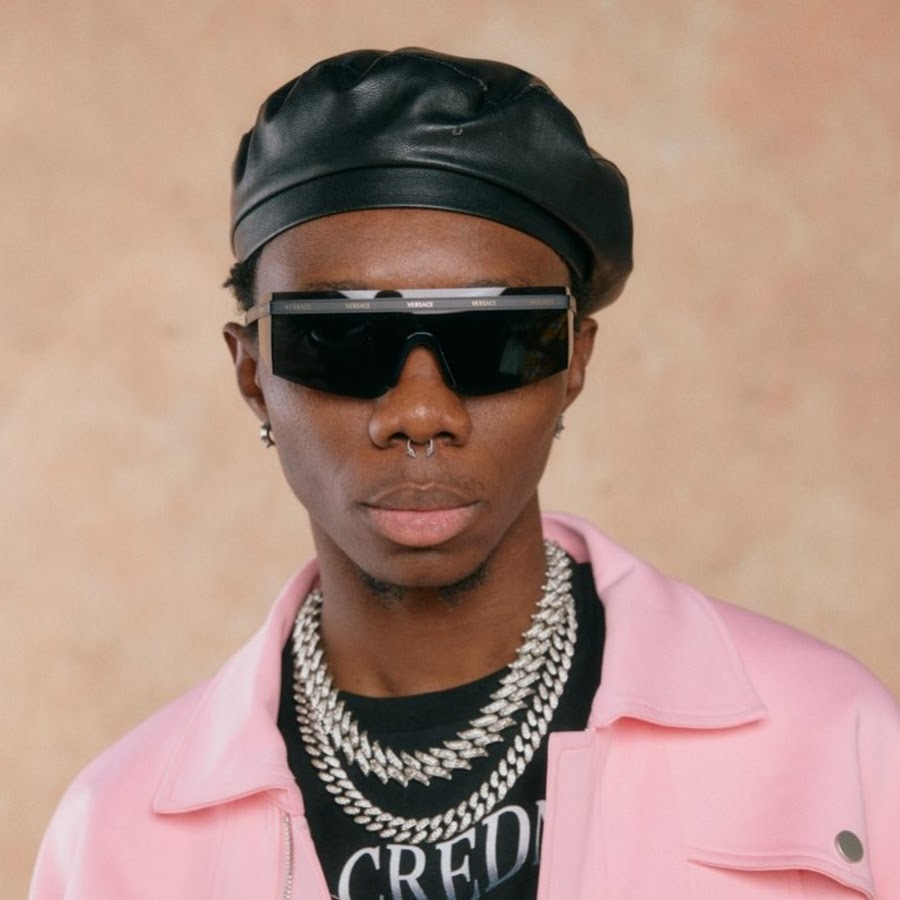
Since 2020, Blaqbonez has called himself the Best Rapper In Africa. The self-proclaimed title became one of the biggest conversations in Nigerian rap, backed up by bars and an internet-native sense of humour that made him feel different from the Chocolate City rappers before him. His 2019 profile in The New York Times as part of a new generation of Nigerian music signalled that the outside world was starting to notice this shift too. In the last six years, he has remained a consistent hitmaker, trend setter and one of the biggest names Nigerian Hip-Hop has ever had.
15. PsychoYP
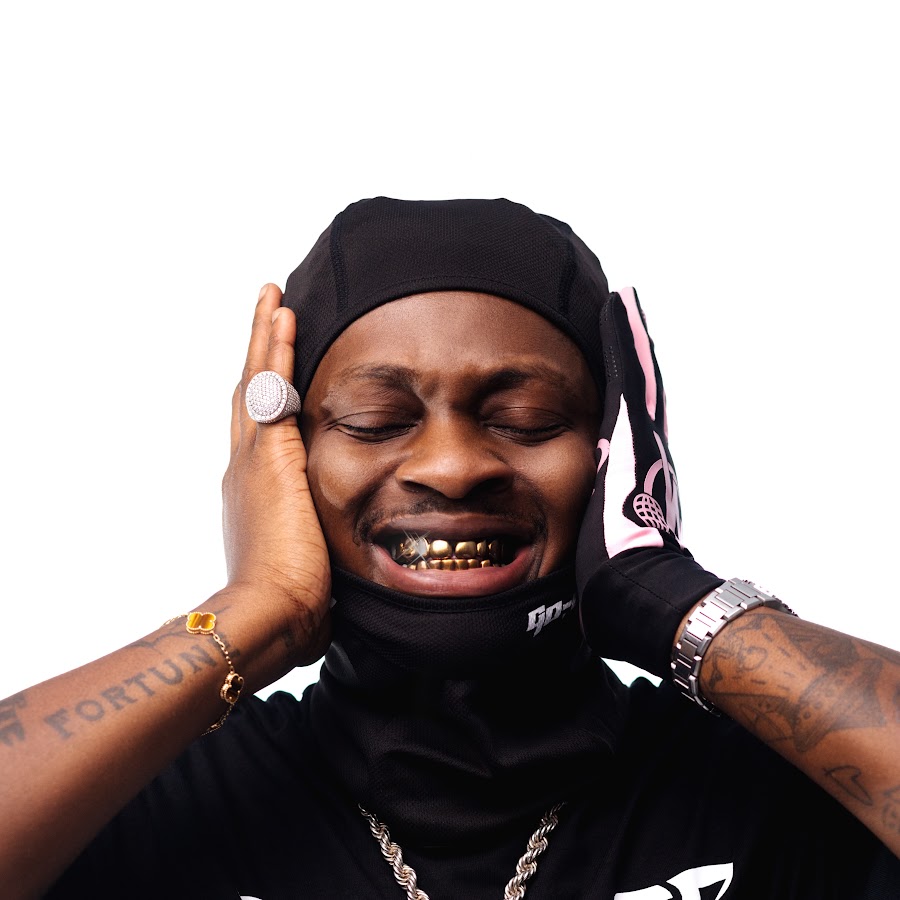
PsychoYP built his following from Abuja, away from the Lagos machinery that usually decides who blows up in Nigerian rap. And truthfully, that distance shaped his whole sound. As part of the Apex Village collective, his YPSZN mixtape series introduced a rap-sung, trap-and-drill-leaning style that pulled as much from UK grime and American trap as it did from anything distinctly Nigerian. YP is the face of the genre鈥檚 newest generation and where it鈥檚 headed.