Bolanle Olukanni grew up watching her father advocate for women’s rights. Years later, after moving into her own apartment, she experienced violence at the hands of a driver whom she had employed for just two weeks. She reflects on the attack, the aftermath and what it taught her about safety, trust and the need to keep talking about violence against women.
This is Bolanle’s Story As Told To SofiyahÂ

My dad was probably the first person to introduce me to the idea that women have their own agency, and I learned what that looked like by watching how he treated women.
My dad is a retired diplomat, and both of my parents were civil servants. He’s often posted to different countries, so my mum would sometimes take a break from work, and we would all travel with him. This meant there were periods when she didn’t have her own source of income and was financially dependent on him. Not once did I ever see him use that dependence against her. He was always respectful towards her, and I also watched him advocate for women to have the same opportunities as men during his career.
Before what happened to me, I had never experienced gender-based violence and didn’t really understand it outside of the context of a husband abusing his wife. I knew that violence against women existed, but I had never personally experienced it or seen it happen around me.
I had always been cautious with people I didn’t know, though. I think women have to be alert because of the society we live in, even though we shouldn’t have to. If someone comes to my house to repair something, for example, I won’t let them close the door. I don’t care how many mosquitoes come inside; the door is always going to stay open. I’m constantly aware of my surroundings and conscious of the people I allow into my space.

It was this mindset I had when I hired my former driver. He had only been working for me for about two weeks before the incident, and I was extremely busy because I’d just moved into a new apartment and was opening my salon. There wasn’t really much of a relationship between us beyond the normal driver-employer dynamic, although I had already noticed that he had a slightly condescending attitude towards me.
It was the kind of attitude I’d experienced from some Nigerian drivers before, where you get the sense that they’re wondering, “Who is this person? Why does this girl live alone? Where does she get her money from?� I wasn’t sure it would work, but I desperately needed a driver at the time, so I decided to give it a try.
Then one day, I discovered that he had been stealing from me.
I had left some money in the car and counted it, only to realise that some of it was missing. When he came the next day, I told him my money wasn’t complete and that I couldn’t have someone who had stolen from me working for me, so I would have to let him go.
Instead of addressing the missing money or even apologising, he just asked about the money he was owed for the work he’d done. I told him I would send it to him that day because I didn’t want to escalate the situation. I got into my car and started driving out of the compound with my windows down because I’d just turned on the car.
As I was leaving, he started shouting at me to give him his money before I went. I reminded him that I’d already said I would send it, but he kept shouting, and then he suddenly lunged through the passenger side of my car.
You’ll Love: What She Said: I Married a Man I Met Online. A Month Later, I Didn’t Recognise Him
His body came into the car, and he was on me, so I started freaking out and trying to get him off me. I had already driven halfway through the gate, so I stopped the car and tried to push him away. I can’t remember exactly what happened, but I remember getting myself out of the car and eventually getting him off me. In that moment, I was completely terrified.
What made it even more traumatising was the actions of the security guards. They were right there, but they didn’t even make any immediate move to come and help me while I was being attacked. It took them a while to intervene, and when they finally came over, they were telling him to calm down. They were bystanders to the attack, and that stayed with me because I couldn’t understand how they could see someone physically attacking me and not immediately come to my aid.
I had only just moved into the apartment, so I didn’t know them, but I shouldn’t have needed to know them for them to help me. If you see someone attacking another person, you should be concerned. As security guards, their responsibility was to protect the people in that compound, but they didn’t do that when I needed them to.
I eventually got back into my car and drove away because I didn’t feel safe staying there. I remember immediately sending the driver his money afterwards because I was panicking and just wanted to move on. I had my hands full with the salon and my new apartment, so I just wanted to put it behind me.
A few hours later, someone called my phone and threatened me, saying they knew where I lived and that I had better pay the money I owed him. That’s when I really started panicking because I realised the situation wasn’t over.
The person who called wasn’t even the driver. It was someone else, and that made the situation feel even more sinister to me. I had never been so scared in my life. I remember standing outside my salon and crying because of this.

The moment I informed my dad about the call, he called the police, and they immediately went into action. We reported the case, and within about two days, they tracked the driver down and arrested him. He was charged in court, and the police followed due process. He spent a day or two in a cell before he was granted bail, and once the court granted him bail, there wasn’t much I could do about that.
The frustrating part was what happened afterwards because the Nigerian court system is incredibly slow. The first court proceeding took place a few months after the incident, but the case dragged on, and then COVID-19 hit, creating a massive backlog in the court system. There were huge gaps between court dates, and eventually, the case just died.
I was disappointed that we couldn’t go through the full process, but I wasn’t interested in revenge. I believe strongly in consequences because I think that’s part of what makes a society function. If there is a law, it needs to be enforced, because when there are no consequences for people’s actions, people become more willing to do whatever they want.
At the same time, I had to learn how to forgive him for myself. As a Christian, I had to get to a place where I could release him from my heart while still believing that he should face the consequences of his actions. Two things can be true at the same time.
The aftermath affected me more than I realised. I don’t think I slept in that apartment for about three weeks after the incident. I was extremely nervous because I knew he knew where I lived and that he was out on bail. For about two years after the incident and throughout my time living in that apartment, I didn’t have a driver. It was only after I left that place that I eventually became comfortable enough to employ a driver again.
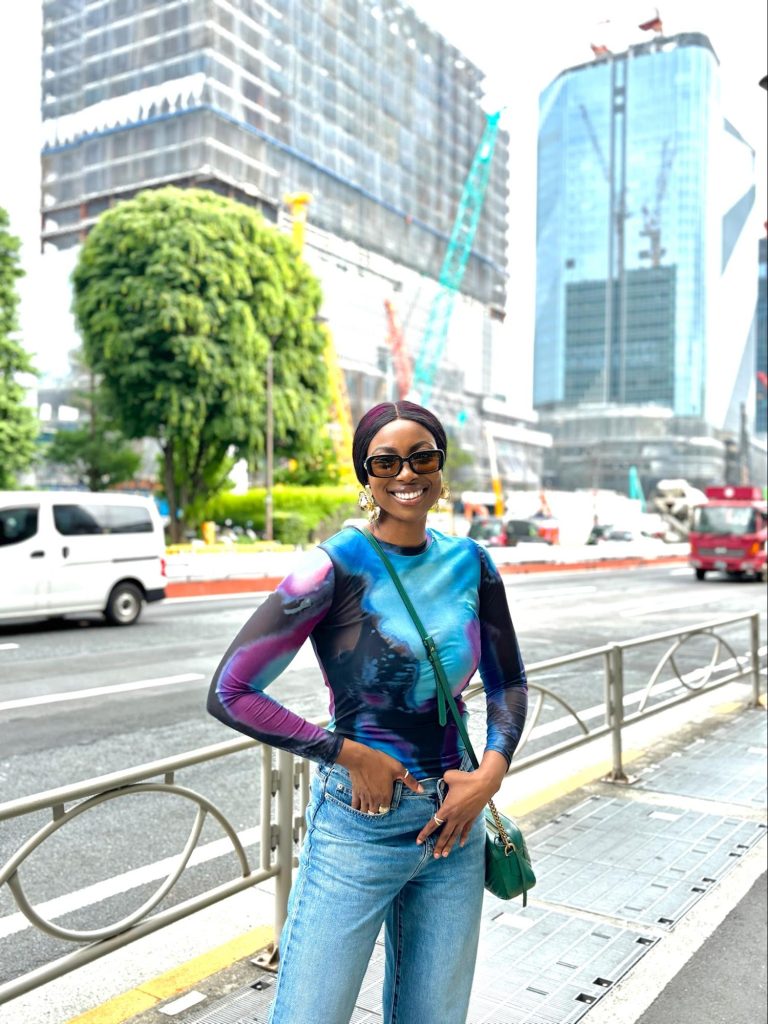
Looking back, I also understand my dad’s fear about me moving out. When I first told him I wanted to leave his house, he actually said no, which surprised me because he wasn’t usually like that. At the time, I didn’t understand what he was trying to protect me from, but after what happened, I realised he understood some of the vulnerabilities that come with being a single woman living alone in Nigeria in ways I hadn’t considered.
When I eventually started hiring drivers again, I became much more intentional about who I allowed to work closely with me. If I sense that a driver is condescending towards me because I’m a woman, I let him go immediately. I understand that someone might not be comfortable working for a woman, but they can’t work for me because I’m not going to manage that behaviour anymore.
The interesting thing is that I don’t think I fully processed what happened when it happened. I compartmentalised it as, “This person is just a mad person,� and kept moving because that’s what you do when you’re trying to get through life. There are so many things to deal with as an adult in Nigeria that sometimes you don’t even have the space to process your trauma.

It was only recently, when I shared the story publicly, that I realised I hadn’t fully processed it. I had to ask myself whether I felt safe and what feeling safe actually looked like for me, and I realised that my level of caution had become much higher.
The experience also gave me a deeper level of empathy for women who have experienced violence. I’ve always been an advocate for protecting women and using my platform to speak against violence, but experiencing something like that yourself changes the way you understand it. I was also lucky because it could have been much worse. I could have been killed or ended up in the hospital, and in that moment, I had to fight for myself and fight for my life.
I also find it interesting that I didn’t initially identify what happened to me as gender-based violence. I just thought of it as a Nigerian man being a mad person, but when I look at it now, I understand the gendered element more clearly. There are things people feel comfortable doing to women because they don’t see women as equal to them, and I’ve experienced situations where a man is being aggressive towards me, and another man has to intervene.
That’s why I think we have to keep having conversations about equality between men and women, even when people are tired of hearing them. When I shared my story on Twitter, some of the responses were genuinely disheartening: people asked what I had done, claimed there were two sides to the story, and outright gaslit my experience.

It made me realise that there are still people who don’t think what happened to me was wrong, and those are the people we need to have these conversations with. The conversation is actually very basic: men and women are equal, women have the same rights as men, women deserve to be treated with respect, and women have the right to their own lives and their own agency.
We’ve not even crossed that basic point yet. You can meet a 19-, 20- or 21-year-old boy who will tell you that men and women are not equal, and I always wonder where he learned that. You’re 20. You’re not 40 or 50. What year are we in?
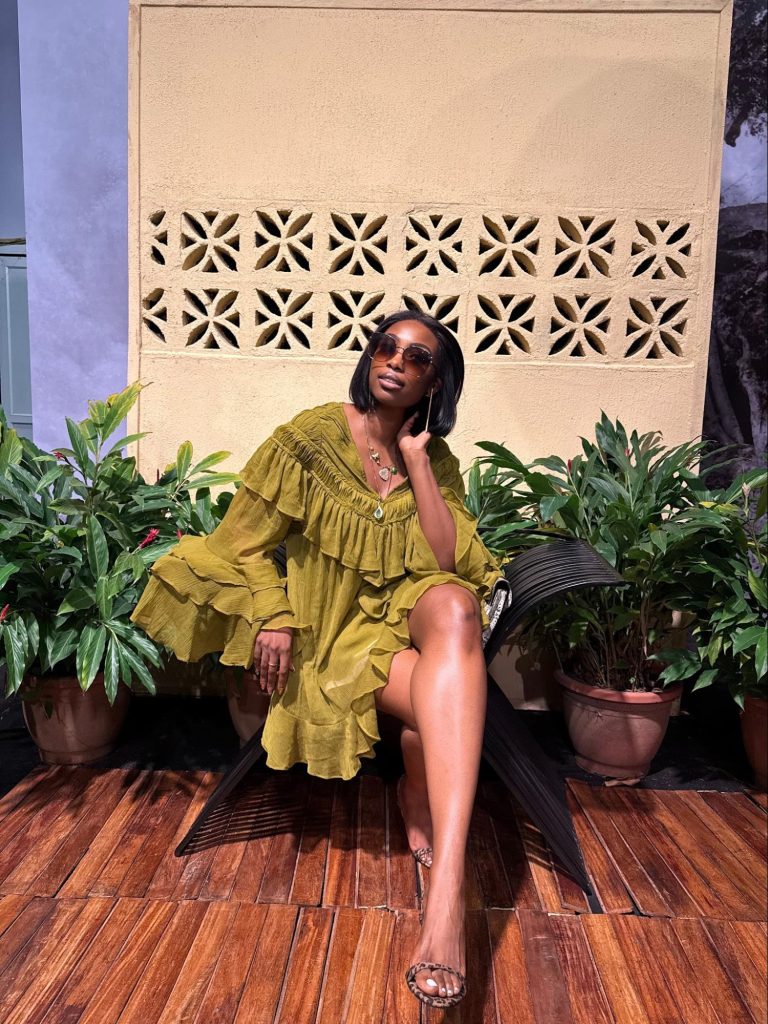
There is still so much work to do, which is why I don’t think we can afford to stop talking about these things. People are learning and unlearning things they thought were normal, and they’re questioning things they’ve said and done, and that matters.
For me, it all comes back to what I learned from my dad and mother. A woman should have her own identity; she should be able to work and earn her own money; and she should be able to make decisions about her own life without that making her less deserving of respect. I’ve always known that because I watched my dad live it, but this experience showed me how important it is to keep insisting that others understand it, too.
Next Read: 10 Women on Putting Their Careers Before Family
°Õ³ó±ðÌý is returning on August 22, 2026, in Lagos! Come learn from finance experts and industry leaders, and partake in unfiltered conversations about building wealth and diversifying your income stream in a country like Nigeria. Real stories, expert advice you can actually use, and a community ready to build wealth together. .